Humanities
Humanities
Curriculum Introduction
- Course Philosophy: Foster Character, Inquiry-Based Learning, and Connection with Life
- Learning areas: Health and life, environment and life, finance and economics, society and citizenship, nation and I, world and I
Inquiry-based learning
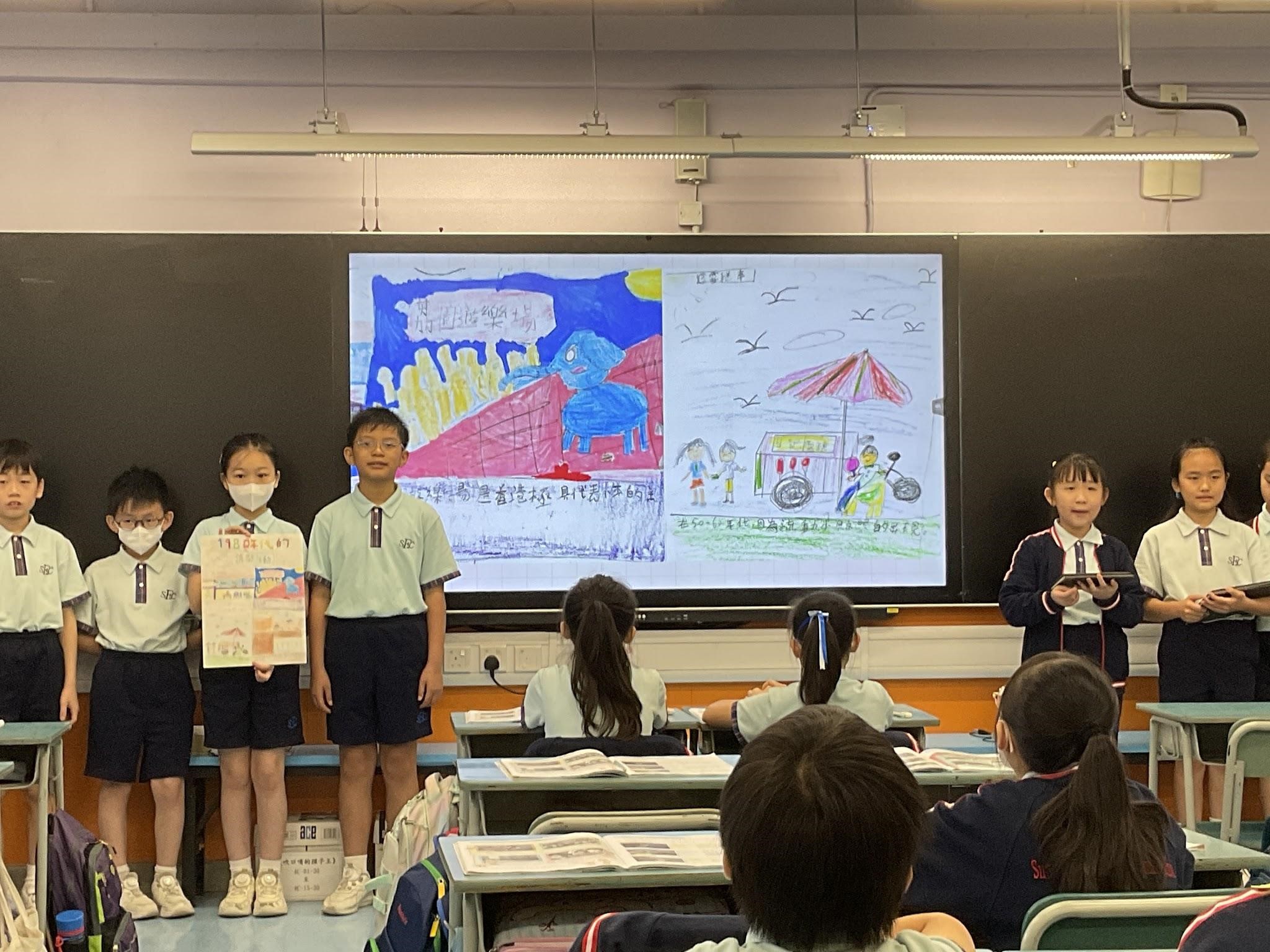
- Guide students to independently collect and organize information, and develop generic skills such as collaboration and self-learning.
- Students are encouraged to construct knowledge and reflect on and revise their learning outcomes during the study process.
Thinking inspiration
- Through current affairs discussions and news and information analysis, students are guided to view social issues from multiple perspectives.
- Through the "Thirteen Techniques of Higher-Order Thinking" (高階思維十三式), cultivate higher-order thinking skills such as careful consideration, logical reasoning, and creative thinking.
- Develop the ability to objectively analyze information and establish good information literacy.
Life Connection
- Adhering to the concept of "learning that connects with life," we make good use of flexible class time to administer all-round learning.
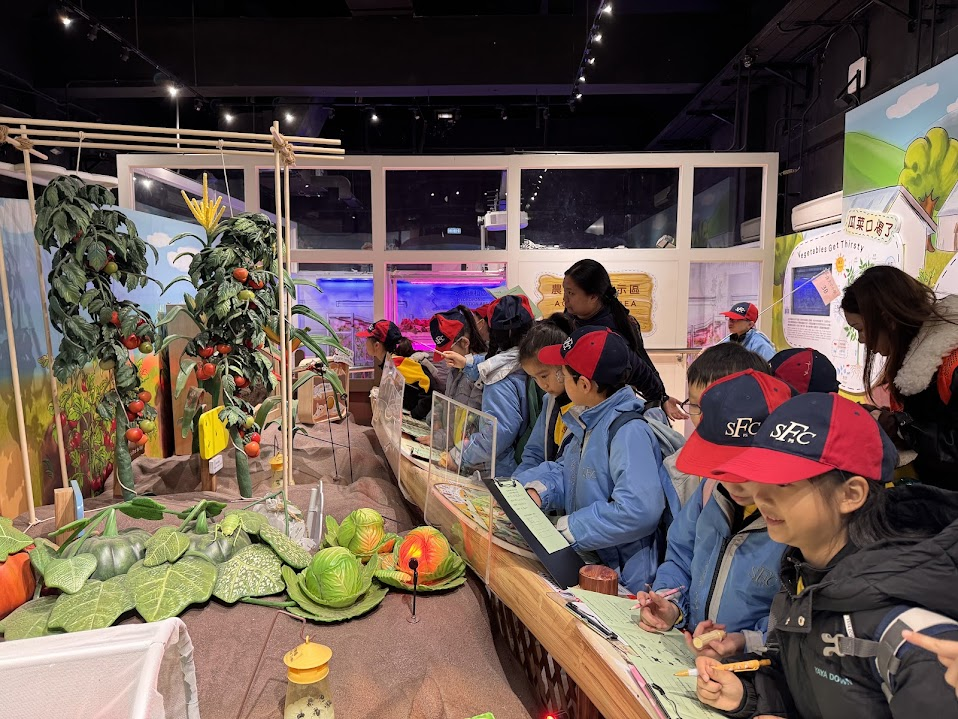
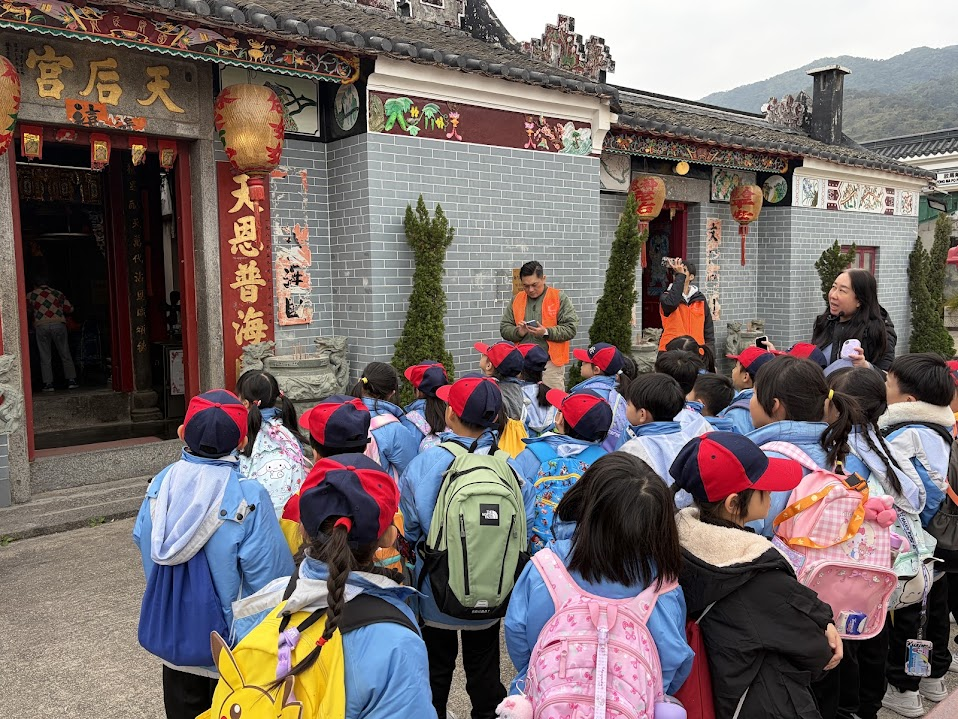
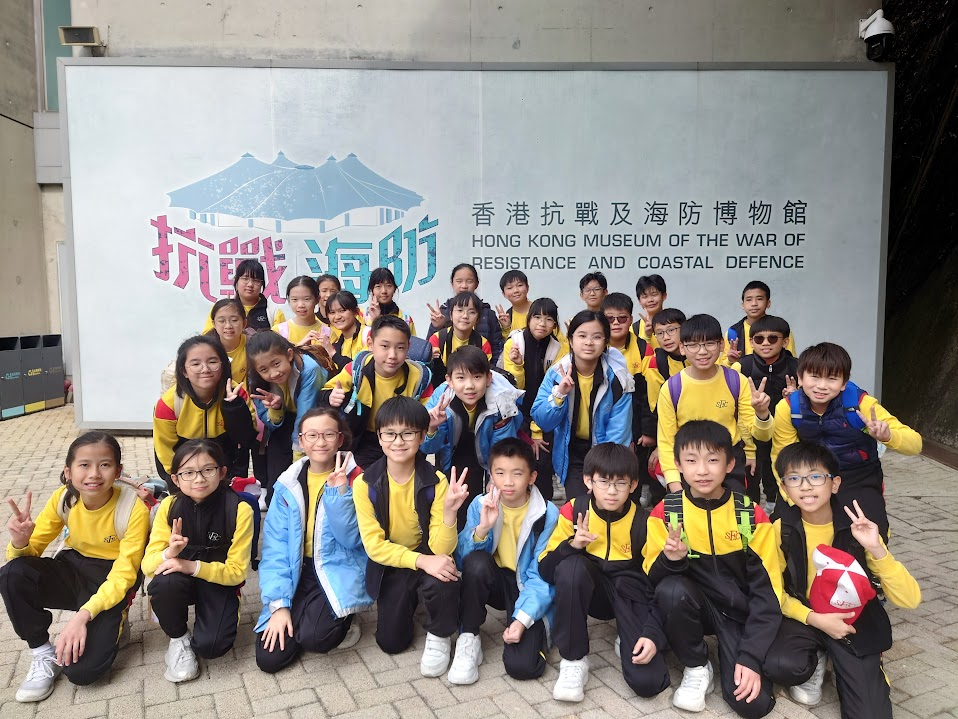
- Students step out of the classroom for various off-campus visits, inspections, and experiential activities.
- Learning through experiential learning in real-life situations, connecting classroom knowledge with real-world experience.
Value Education
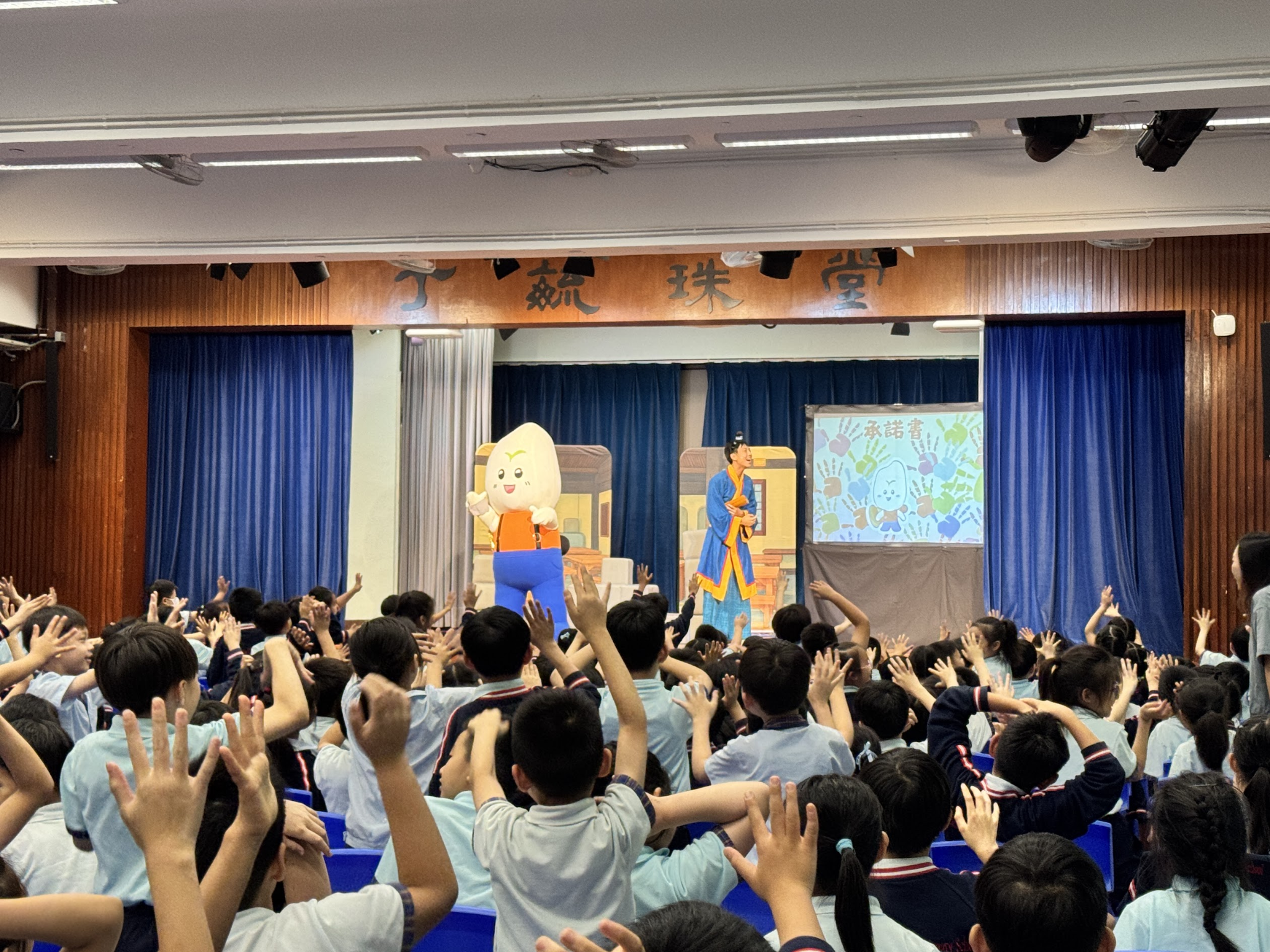
- In conjunction with weekly assemblies, we conduct humanities-themed sharing sessions to implement moral education and cultivate well-rounded individuals, emphasizing cognition, emotion, and practice.
- Through historical stories, interactive activities, mini-theater performances, and themed sharing, we deepen the cultivation of values.
- Extend classroom learning to the whole school and create a humanistic learning atmosphere on campus.